
Coasts in Mind
Mapping 100 years of coastal change with community knowledge.
This page is approximately a 4 minute read

The ship is a crucial unit of analysis for the Foundation, especially regarding safety. This theme supports a program that investigates the ship as the fundamental unit for understanding historical technological transitions and their impact on maritime safety, efficiency, and sustainability. By examining the ship's lifecycle—from design and construction to operation, regulation, repair, and decommissioning—this initiative will analyse how key innovations in shipbuilding, materials, and regulatory practices have influenced maritime safety and operational performance from the 1760s to the present day.
The ship serves as a tangible and practical focal point for exploring the relationship between technological advancements and industry practices. By studying individual ships and their contexts, the program will reveal how design evolution, material choices, and regulatory frameworks have impacted maritime risk management, environmental sustainability, and global trade networks. This ship-centred approach directly supports the Foundation’s mission to enhance safety and efficiency in the maritime sector while addressing emerging challenges in a rapidly evolving industry.
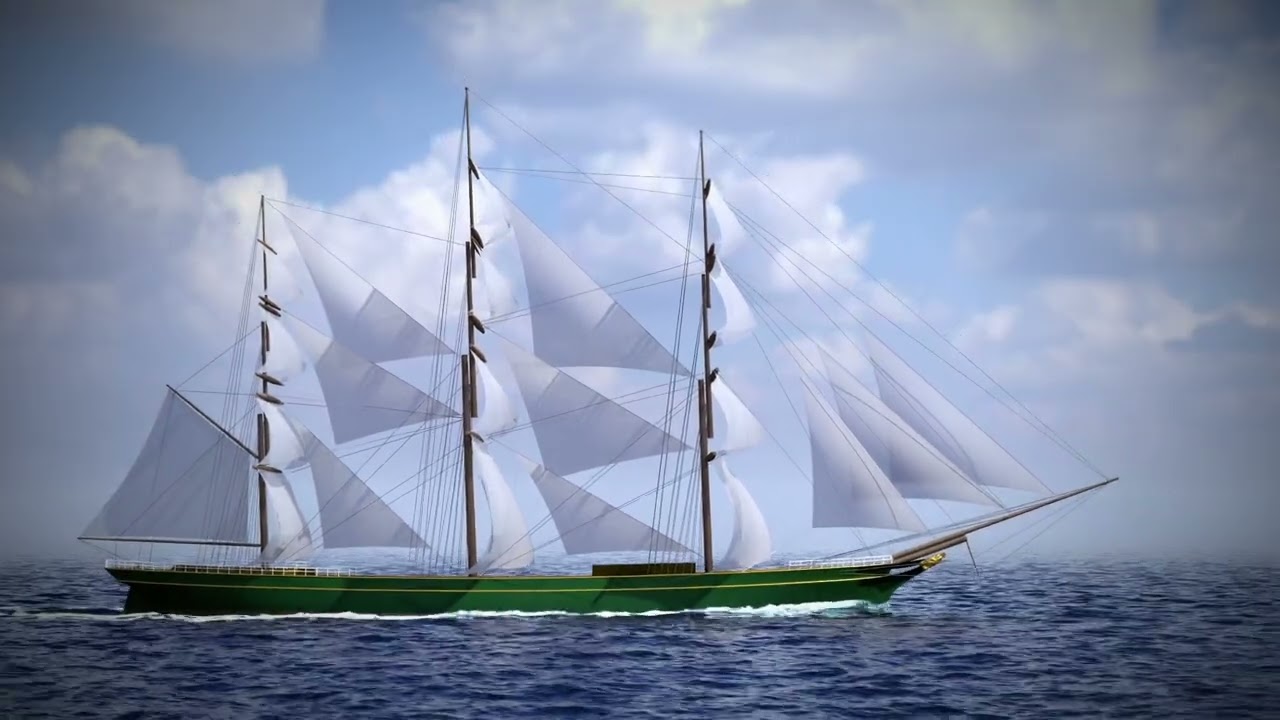
Since 1760, Lloyd’s Register has helped advance maritime safety by documenting key innovations in ship design and construction. Watch the remarkable journey from the Age of Sail to the era of modern steel ships, highlighting groundbreaking materials, engineering advances, and pioneering technologies that changed the size, efficiency, and safety of vessels forever.
The lifecycle of a ship encapsulates the dynamic relationship between innovation and its impact on safety, efficiency, technical transition, and sustainability. Each ship serves as a microcosm of broader technological and regulatory developments, providing a fundamental unit of analysis to explore:
The maritime world has experienced significant technological transitions throughout history, deeply intertwined with global human development. Each transition has brought both advantages and challenges:
While these issues are recognised within specific disciplines, there is no centralised effort to analyse historical transitions comprehensively and integrate the lessons into future maritime practices. This initiative seeks to address that gap, bringing together fragmented knowledge and fostering collaboration across disciplines and sectors.
Lifecycle Studies of Individual Ships like the Great Britain, Oceanic, and Emma Maersk, along with other lesser-known vessels, exemplify how technological transitions manifest in real-world applications. This initiative will explore the impact of innovations on all stages of a ship’s lifecycle, including design, construction, operation, maintenance, and decommissioning. Case studies could examine:
Pattern Analysis Across Ships to identify patterns across fleets and eras, highlighting recurring themes such as:
Uncovering overlooked stories to build a more inclusive narrative that fosters trust and fairness across global maritime history.
We use lessons from the past to inform, educate, and influence policymakers, researchers and business leaders in shaping a safer ocean economy for tomorrow.
Ensuring preservation and sustainability of historic records, while fostering trust and accessibility to make the collection available worldwide.


