
Women in Shipbuilding
Boost awareness of the role that women played in shipbuilding and marine engineering in north east England during the First World War.
This page is approximately a 2 minute read
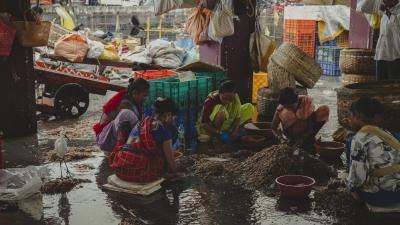
This theme supports the Heritage Centre's initiative to study, document, learn from and exhibit the stories of underrepresented individuals in the maritime industry. Traditionally, male-dominated, ‘hero-driven’ narratives have often overshadowed or overlooked important minorities. From the 1760s to the present day, women, indigenous peoples, and minority workforces have played under-recognised roles in seafaring, fishing, shipbuilding, port operations, and governance.
This initiative aligns with the Foundation’s mission to promote safety and sustainability in the maritime industry, addressing historical inequalities, amplifying the contributions of hidden figures, and fostering gender equity as a cornerstone of a modern and inclusive maritime workforce.
We will continue to reflect on our past and listen to those impacted by it. We know it’s important to learn from history: it shapes who we are and the responsibilities we hold today.
For example, in 2022, we commissioned independent academic research into LR’s involvement with the transatlantic trade of enslaved African people. You can read more about this research and the work we are doing in response to these findings here.
We are also seeking to explore other contested histories, coerced human labour, indentured labour and exploitation in the maritime industry as part of this research programme.
The maritime industry has historically been male-dominated, with women and minorities facing systemic cultural barriers to entry and advancement. Despite gradual progress, challenges persist. This initiative aims to bridge historical gaps, celebrate the contributions of hidden and forgotten individuals, and build understanding to enhance equity in the maritime sector. Maritime heritage embraces a greater number of perspectives, including women, indigenous peoples, and others whose livelihoods depend on the ocean, such as fishermen and dock workers.
Systematic Study is needed to explore relevant sources, due to their ‘below the radar’ status.
Find out more about our showcase Rewriting Women into Maritime History initiative.
Understanding transitions to prepare for future challenges and strengthen resilience across the global maritime system.
Learning from past maritime disasters to develop a global perspective and integrate lessons learned to advance maritime safety, resilience and sustainability.
We use lessons from the past to inform, educate, and influence policymakers, researchers and business leaders in shaping a safer ocean economy for tomorrow.


