Security at sea, cyber space, and the governance of the global commons
Report 3
This page is approximately a 1 minute read
This page was published on
Page author
Dr. Louis Halewood, University of Plymouth
Page author
Dr. Rory Hopcraf, University of Plymouth
Executive summary
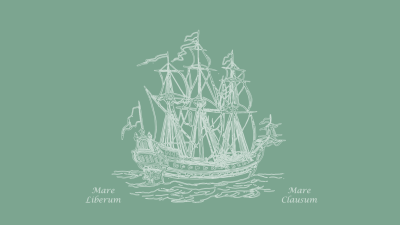
This paper examines the development of maritime governance across centuries, exploring how this has shaped the approach of the international community to the management of modern risks in the maritime sector today, and the implications for the nascent challenge of cybersecurity. The paper highlights the concept of the sea as a ‘global commons’, an idea that dates back to at least the seventeenth century and Hugo Grotius’ Mare Liberum. From an early stage, modern thinking on the sea as a commons has been underpinned by commercial and political interests. During the nineteenth century, British policymakers attempted to cultivate international law at sea through multilateral conferences as well as state practice, in order to bolster neutral rights and safeguard the British Empire and its vast merchant marine. However, the First World War demonstrated Britain’s continued willingness to close the seas when it deemed it necessary in order to secure its national and imperial interests.
Download the report
Security at sea, cyber space report
Download Security at sea, cyber space report (PDF, 5.93MB)Continue reading
Reducing the dangers of dock work in the UK, 1899-1939: how past approaches could prevent future tragedies
This report explores how improvements to dock workers accidents were made, a combination of legislation and regulation, public attention, inspections, joint safety committees staffed by company representatives and unionised workers, and increasing buy-in from individuals and corporations.
Read previous article